
首尾の松(M)
¥30,000
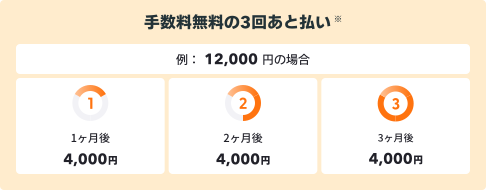
送料無料  なら 手数料無料で 月々¥10,000から
この商品は送料無料です。
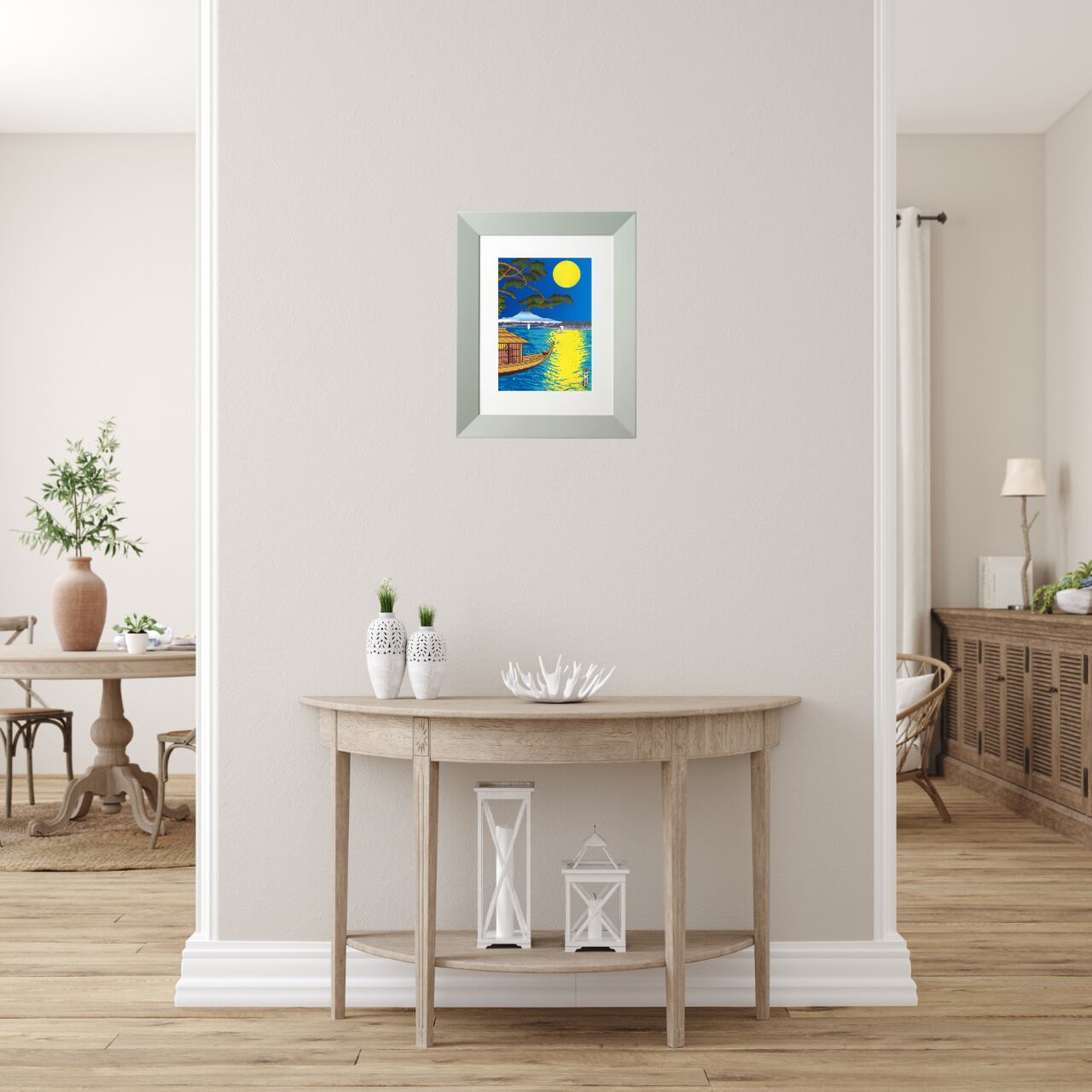
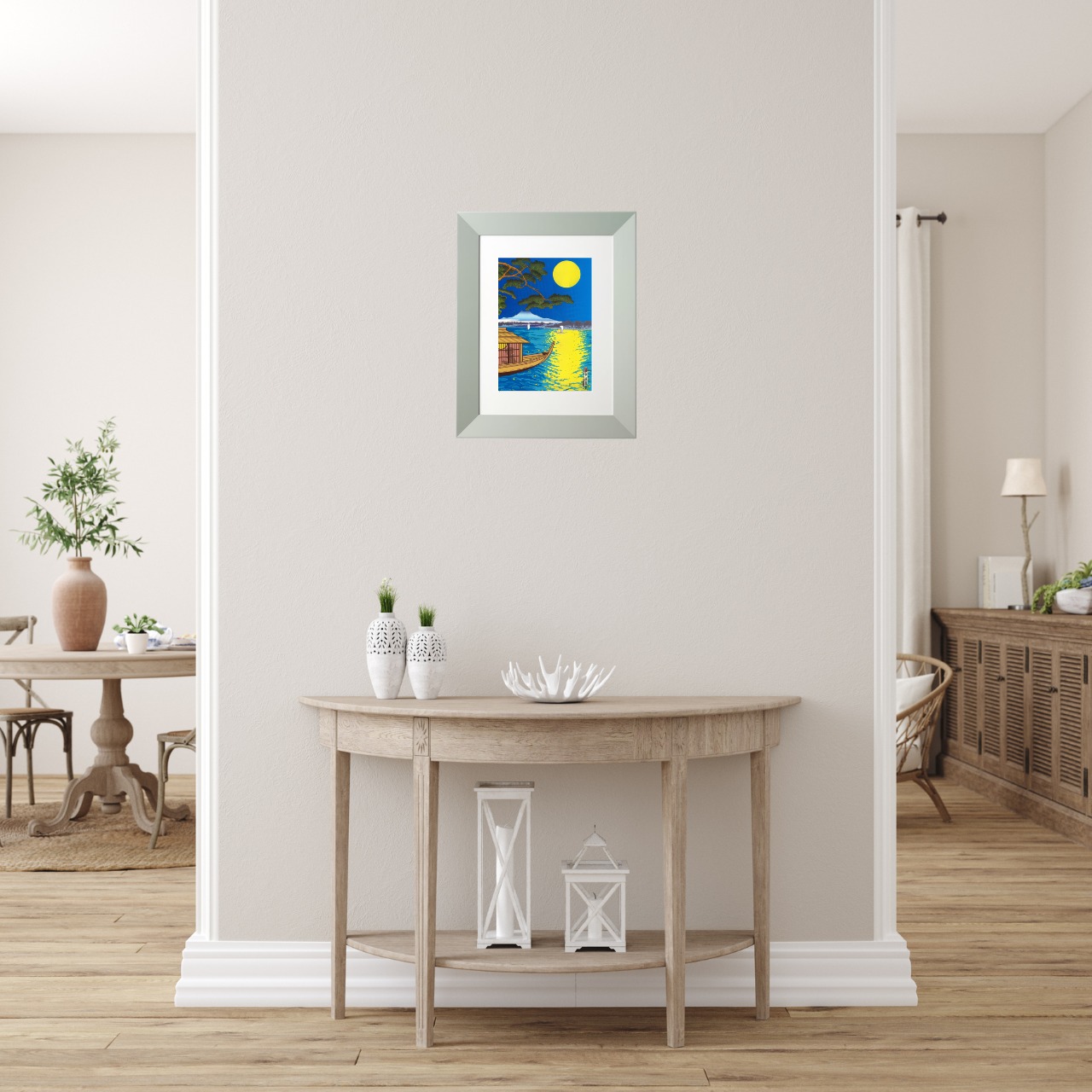
田中辰斎画:首尾の松(M)(月刊浅草表紙絵)
Illustration by Shinsai Tanaka : Shubi no Matsu
(Cover art for *Monthly Asakusa*)
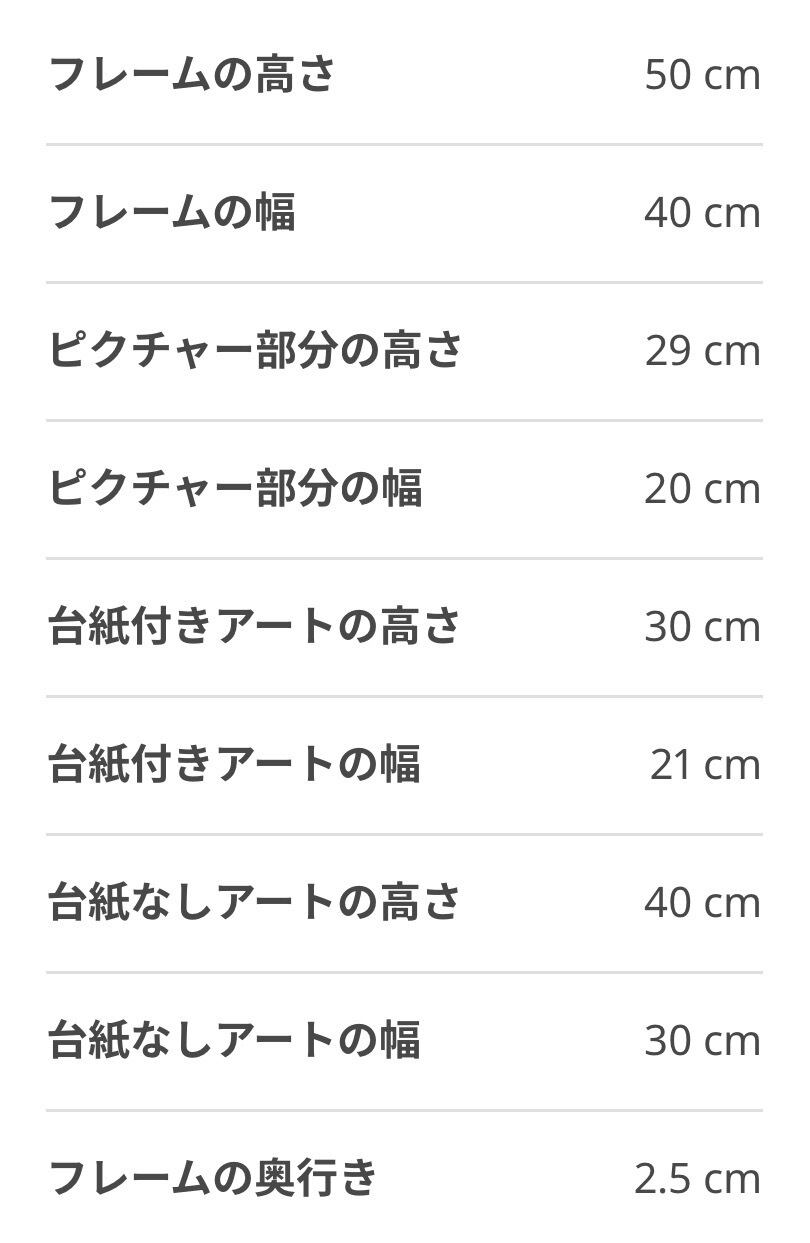
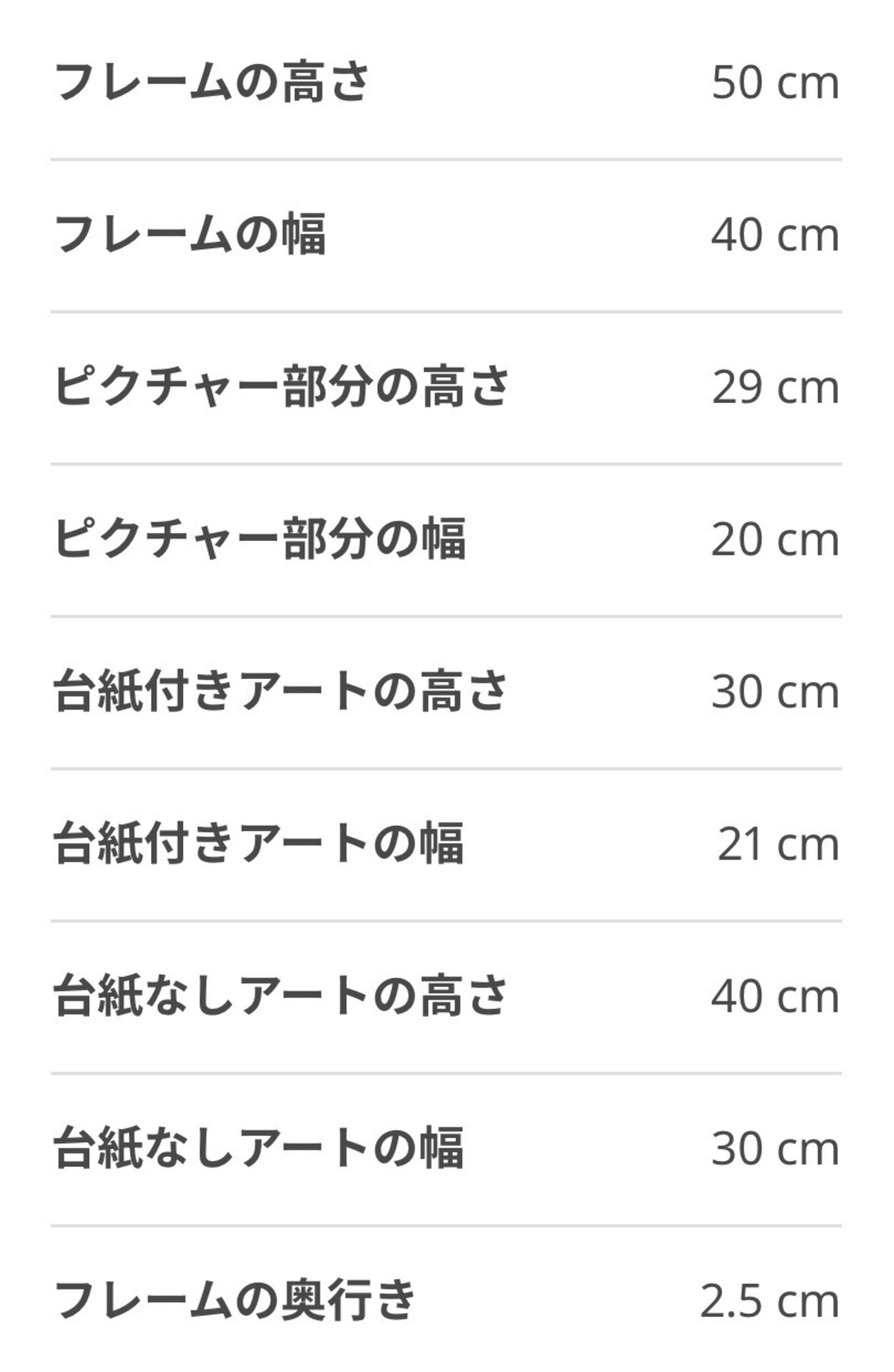
Mサイズ:500×400×30mm
[Shubi no Matsu ]
The word *shubi* refers to the course of events or the outcome of a situation; here, it carries a double meaning, also alluding to the romantic "rendezvous" between a man and a woman.Heading slightly north after exiting the Asakusa-gomon Gate, one would find the Shogunate’s rice warehouses—known as the Asakusa Okura—on the right.In this vicinity, the waters of the Sumida River were known as the Asakusa River.Beyond the wharves of the No. 4 and No. 5 unloading canals, the boughs of a pine tree drooped gracefully toward the river's surface.Boats rowed by two oarsmen (*nichoro-bune*) would travel upstream from Yanagibashi toward the Yoshiwara pleasure district, while slender *choki-bune* boats would come downstream from the Sanya-bori Canal."How did it go today?"—men would exchange such words regarding their escapades in Yoshiwara in this area, and eventually, the tree came to be known as *Shubi no Matsu* (The "Outcome" Pine) (Kuramae 1-37).The original tree dated back to the An'ei era (1772); the current one is the seventh generation.Once the rice unloading was finished and the crowds had dispersed, couples would moor their boats beneath the moonlit pine to share a secret tryst.It seems that, in their case too, the "outcome" was excellent…
『首尾』とは物事のなりゆき。都合して、男女が会うことを兼ねている。 浅草御門を出て少し北に向かうと、右手に幕府の米蔵<<浅草御蔵>>があった。 隅田の流れ、この辺りでは浅草川と荷揚げの四番堀と五番堀の埠頭の先に、川面に向かって松が枝を垂れている。 柳橋から吉原通いの二挺櫓舟(にちょろぶね)が遡り、山谷堀から猪牙舟(ちょきぶね)『今日の首尾はどうでい?』吉原遊びの言葉を交わすのがこの辺り、いつしか<<首尾の松>>と呼ばれるようになった(蔵前一・三七)。 初代の松は安永の頃で(1772)現在のは七代目。米の荷揚げが終わり人影が絶えれば、月明かりの松の下に男女が障子船を停めて忍び逢い。こちらも、首尾は上々のようで・・・・・・








-
送料・配送方法について
-
お支払い方法について