
田中辰斎のアート
Art by Shinsai Tanaka
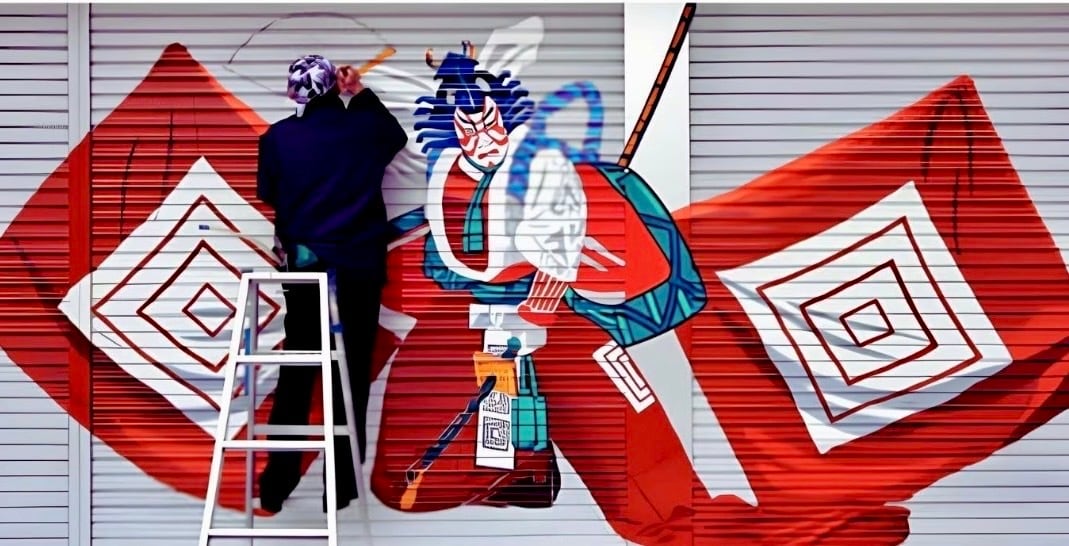
Shinsai Tanaka (real name: Kenji; born 1940) is an active artist based in Asakusa, Taito Ward, Tokyo, with a career spanning approximately 70 years. Drawing inspiration from Edo-period techniques and *ukiyo-e* (woodblock prints), he has created numerous works that convey local history and culture to the present day.
田中辰斎(たなか しんさい、本名:憲治、1940年生まれ)は、東京都台東区浅草を拠点に約70年間活動している現役の画工(絵師)です。江戸時代の技法や浮世絵からインスピレーションを受け、地域の歴史や文化を今に伝える数多くの作品を手掛けています。
[Key Activities and Achievements]
* Shutter Art
We have created numerous shutter art pieces throughout the Asakusa area, including *ukiyo-e* designs on the shutters of the Omairi-machi Shopping Street next to Senso-ji Temple.
Creation of a Mural for the Kagura Hall: At Yasaki Inari Shrine in Asakusa, I created a massive mural (for the Kagura Hall shutter) that recreates the "Sanjusangen-do" hall that existed in Asakusa during the Edo period.
* Stewards of local culture
We contribute to preserving the historic landscape of the Shitamachi district through activities such as restoring *ema* (votive plaques) at shrines in Asakusa and creating artworks for events at Senso-ji Temple.
* Publications and Art
I provide approachable illustrations and paintings across a variety of media, including cover art for the local magazine *Monthly Asakusa* (launched in 1970) and murals and facility maps for accommodations such as Onyado Nono Asakusa Bettei.
【主な活動・実績】
シャッターアート:浅草寺脇のおまいりまち商店街の浮世絵シャッターアートをはじめ浅草地域に数多くのシャッターアートを制作しました。
神楽殿の壁画制作: 浅草の矢先稲荷神社において、江戸時代の浅草にあった「三十三間堂」を再現する巨大な壁画(神楽殿シャッター)を制作しました。
地域文化の担い手: 浅草の神社における絵馬の修復や、浅草寺のイベントに関わる作品の制作など、下町の歴史的景観の維持に貢献しています。
出版物とアート: 1970年創刊のタウン誌『月刊浅草』の表紙絵や、宿泊施設(例:御宿野乃浅草別邸)館内のマップや壁画など、多様な媒体で親しみやすいイラストや絵画を提供しています。
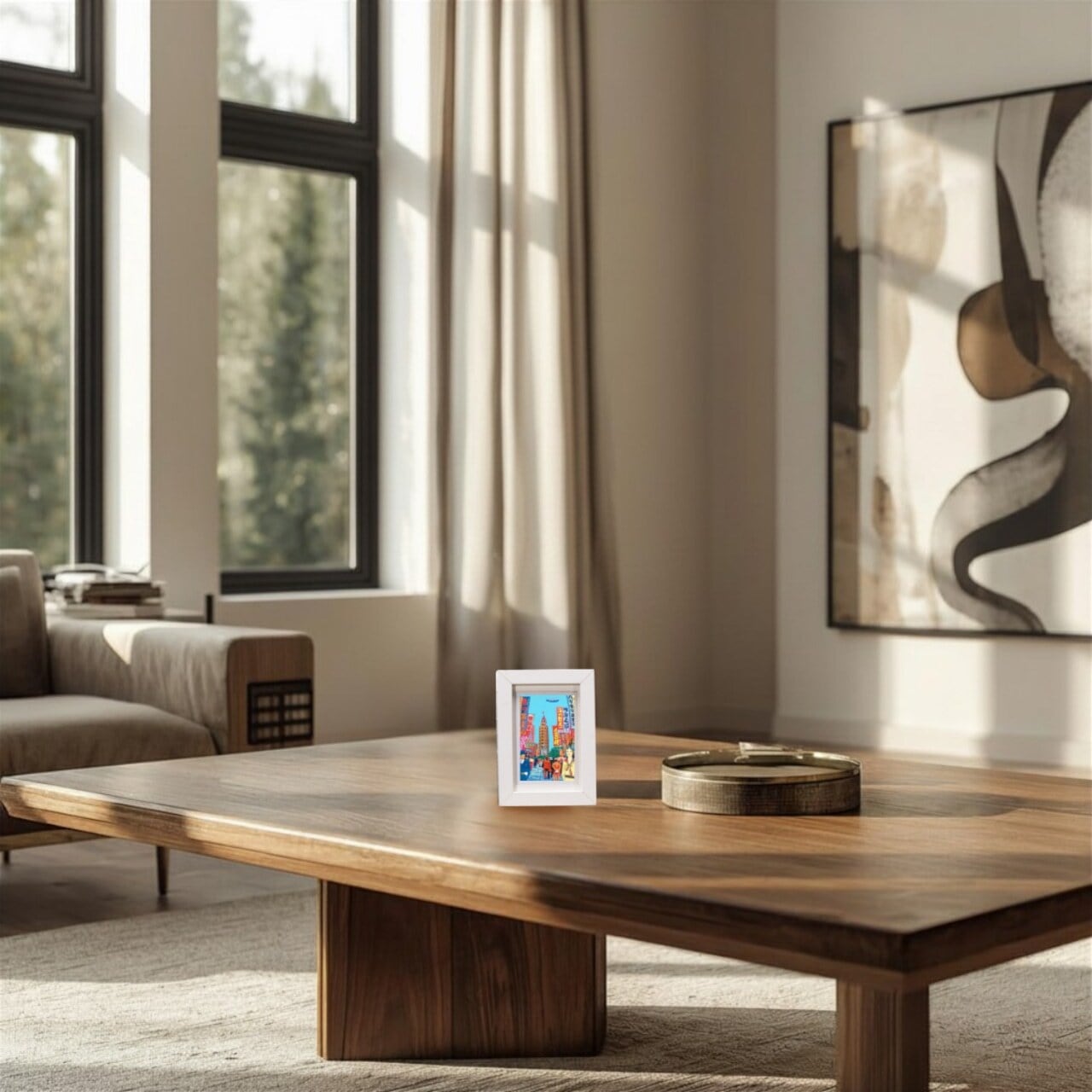
Size S (Photo size)
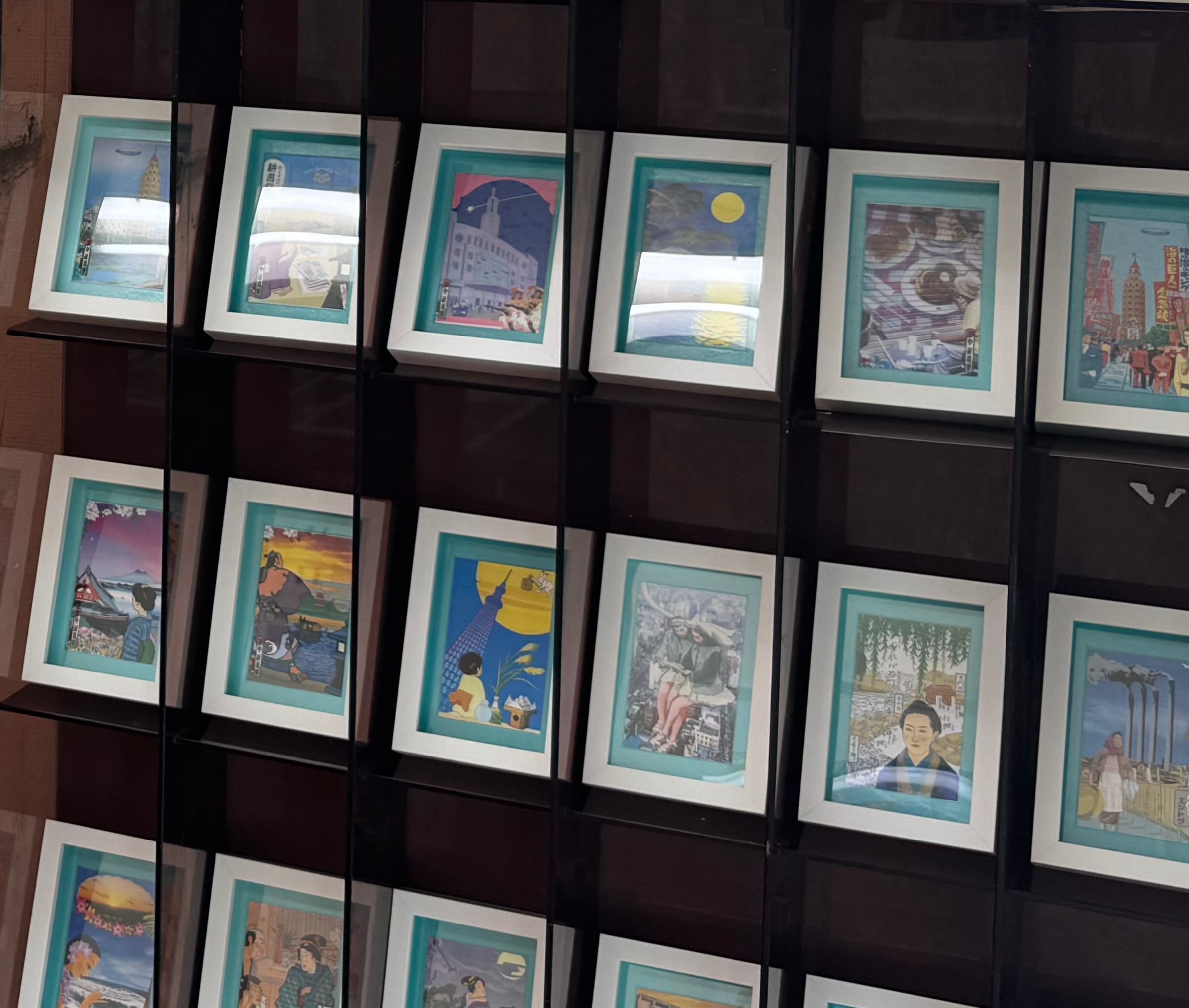
Size M
SHOP
-
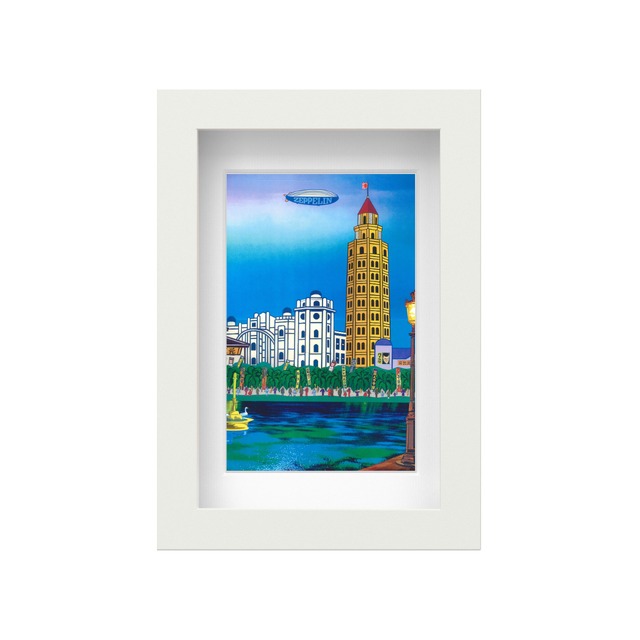
凌雲閣(S)
¥10,000
田中辰斎画:凌雲閣(S)(月刊浅草表紙絵) Illustration by Shinsai Tanaka : Ryounkaku (Cover art for *Monthly Asakusa*) Sサイズ:167×117×32mm [RyounkakuーAsakusa Twelve-Story Tower] Ryounkaku was completed in Asakusa in 1890 (Meiji 23).Known as “Asakusa Jūnikai,” meaning “Asakusa Twelve-Story Tower,” it was beloved by the people of Tokyo.At the time, it was one of Tokyo’s most prominent high-rise buildings and became an iconic landmark of Asakusa.The tower was severely damaged by the Great Kanto Earthquake in 1923 (Taisho 12) and was later demolished.This artwork depicts the Ryounkaku that once stood in Asakusa, bringing a glimpse of the city’s historic landscape back to life.(Cover of *Monthly Asakusa*, January 2025 issue) [凌雲閣ー浅草十二階] 1890年(明治23年)、浅草に完成した凌雲閣。 通称「浅草十二階」として人々に親しまれました。当時は東京を代表する高層建築のひとつであり、浅草を象徴する存在でした。1923年(大正12年)の関東大震災によって大きく損壊し、その後、撤去されました。現在は見ることのできない凌雲閣を描き、かつての浅草の風景を今に伝える作品です。(月刊浅草2025.1月号表紙)
-
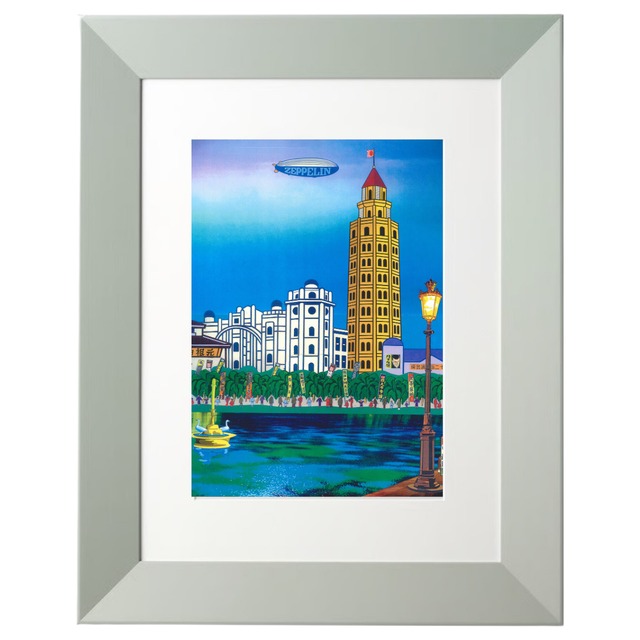
凌雲閣(M)
¥30,000
田中辰斎画:凌雲閣(S)(月刊浅草表紙絵) Illustration by Shinsai Tanaka : Ryounkaku (Cover art for *Monthly Asakusa*) Mサイズ:500×400×30mm [RyounkakuーAsakusa Twelve-Story Tower] Ryounkaku was completed in Asakusa in 1890 (Meiji 23).Known as “Asakusa Jūnikai,” meaning “Asakusa Twelve-Story Tower,” it was beloved by the people of Tokyo.At the time, it was one of Tokyo’s most prominent high-rise buildings and became an iconic landmark of Asakusa.The tower was severely damaged by the Great Kanto Earthquake in 1923 (Taisho 12) and was later demolished.This artwork depicts the Ryounkaku that once stood in Asakusa, bringing a glimpse of the city’s historic landscape back to life.(Cover of *Monthly Asakusa*, January 2025 issue) [凌雲閣ー浅草十二階] 1890年(明治23年)、浅草に完成した凌雲閣。 通称「浅草十二階」として人々に親しまれました。当時は東京を代表する高層建築のひとつであり、浅草を象徴する存在でした。1923年(大正12年)の関東大震災によって大きく損壊し、その後、撤去されました。現在は見ることのできない凌雲閣を描き、かつての浅草の風景を今に伝える作品です。(月刊浅草2025.1月号表紙)
-
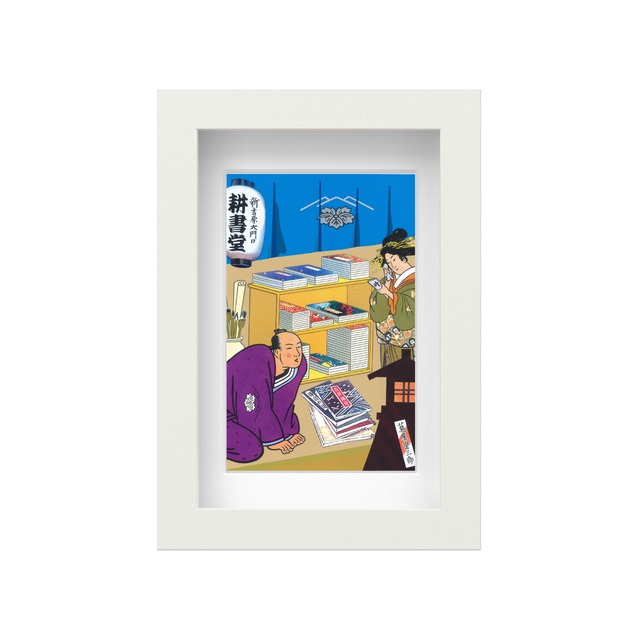
蔦屋重三郎(S)
¥10,000
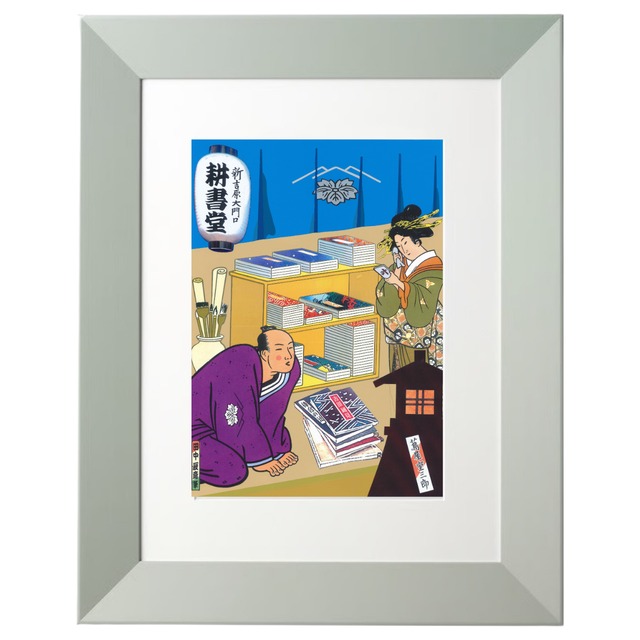
田中辰斎画:蔦屋十三郎(S)(月刊浅草表紙絵) Illustration by Shinsai Tanaka : Tutaya Jusaburo (Cover art for *Monthly Asakusa*) Sサイズ:167×117×32mm [Tsutaya Jūsaburō] This work depicts Tsutaya Jūzaburō, a publisher from the Edo period. Around 1772, he opened the "Kōshodō" publishing house in front of the Yoshiwara Great Gate and produced works such as *Yoshiwara Saiken* (a guidebook to the Yoshiwara pleasure district).He subsequently launched the careers of iconic Edo-period artists—including Kitagawa Utamaro, Tōshūsai Sharaku, and Katsushika Hokusai—thereby greatly invigorating Edo's publishing culture.This piece portrays Tsutaya Jūzaburō, a key figure who supported Edo culture, alongside his publishing house, Kōshodō. (Cover of *Monthly Asakusa*, February 2025 issue) [蔦谷十三郎] 江戸時代の出版人、蔦屋重三郎を描いた作品です。1772年頃、吉原大門前に「耕書堂」を開き、吉原の案内書「吉原細見」などを手がけました。その後、喜多川歌麿や東洲斎写楽、葛飾北斎など、江戸を代表する絵師たちを世に送り出し、江戸の出版文化を大きく盛り上げました。この作品では、江戸の文化を支えた蔦屋重三郎と、彼が営んだ「耕書堂」が描かれています。(月刊浅草2025.2月号表紙)
-
蔦屋重三郎(M)
¥30,000
田中辰斎画:蔦屋十三郎(M)(月刊浅草表紙絵) Illustration by Shinsai Tanaka : Tutaya Jusaburo (Cover art for *Monthly Asakusa*) Mサイズ:500×400×30mm [Tsutaya Jūsaburō] This work depicts Tsutaya Jūzaburō, a publisher from the Edo period. Around 1772, he opened the "Kōshodō" publishing house in front of the Yoshiwara Great Gate and produced works such as *Yoshiwara Saiken* (a guidebook to the Yoshiwara pleasure district).He subsequently launched the careers of iconic Edo-period artists—including Kitagawa Utamaro, Tōshūsai Sharaku, and Katsushika Hokusai—thereby greatly invigorating Edo's publishing culture.This piece portrays Tsutaya Jūzaburō, a key figure who supported Edo culture, alongside his publishing house, Kōshodō. (Cover of *Monthly Asakusa*, February 2025 issue) [蔦谷十三郎] 江戸時代の出版人、蔦屋重三郎を描いた作品です。1772年頃、吉原大門前に「耕書堂」を開き、吉原の案内書「吉原細見」などを手がけました。その後、喜多川歌麿や東洲斎写楽、葛飾北斎など、江戸を代表する絵師たちを世に送り出し、江戸の出版文化を大きく盛り上げました。この作品では、江戸の文化を支えた蔦屋重三郎と、彼が営んだ「耕書堂」が描かれています。(月刊浅草2025.2月号表紙)
-
首尾の松(S)
¥10,000
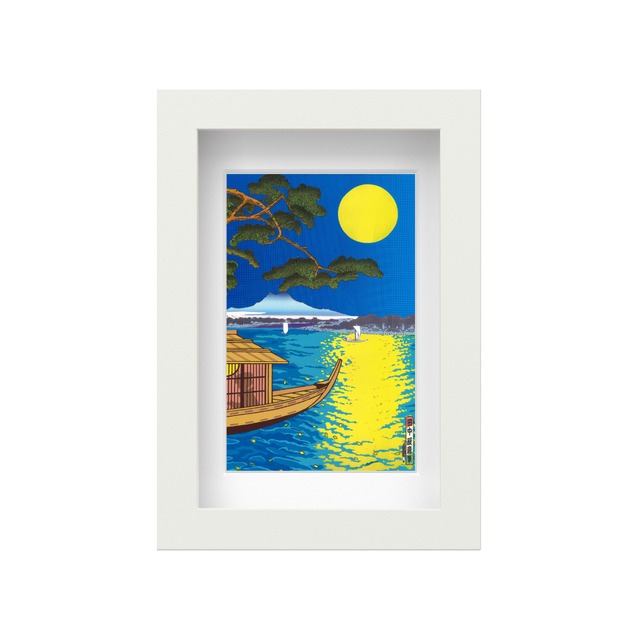
田中辰斎画:首尾の松(S)(月刊浅草表紙絵) Illustration by Shinsai Tanaka : Shubi no Matsu (Cover art for *Monthly Asakusa*) Sサイズ:167×117×32mm [Shubi no Matsu ] The word *shubi* refers to the course of events or the outcome of a situation; here, it carries a double meaning, also alluding to the romantic "rendezvous" between a man and a woman.Heading slightly north after exiting the Asakusa-gomon Gate, one would find the Shogunate’s rice warehouses—known as the Asakusa Okura—on the right.In this vicinity, the waters of the Sumida River were known as the Asakusa River.Beyond the wharves of the No. 4 and No. 5 unloading canals, the boughs of a pine tree drooped gracefully toward the river's surface.Boats rowed by two oarsmen (*nichoro-bune*) would travel upstream from Yanagibashi toward the Yoshiwara pleasure district, while slender *choki-bune* boats would come downstream from the Sanya-bori Canal."How did it go today?"—men would exchange such words regarding their escapades in Yoshiwara in this area, and eventually, the tree came to be known as *Shubi no Matsu* (The "Outcome" Pine) (Kuramae 1-37).The original tree dated back to the An'ei era (1772); the current one is the seventh generation.Once the rice unloading was finished and the crowds had dispersed, couples would moor their boats beneath the moonlit pine to share a secret tryst.It seems that, in their case too, the "outcome" was excellent… 『首尾』とは物事のなりゆき。都合して、男女が会うことを兼ねている。 浅草御門を出て少し北に向かうと、右手に幕府の米蔵<<浅草御蔵>>があった。 隅田の流れ、この辺りでは浅草川と荷揚げの四番堀と五番堀の埠頭の先に、川面に向かって松が枝を垂れている。 柳橋から吉原通いの二挺櫓舟(にちょろぶね)が遡り、山谷堀から猪牙舟(ちょきぶね)『今日の首尾はどうでい?』吉原遊びの言葉を交わすのがこの辺り、いつしか<<首尾の松>>と呼ばれるようになった(蔵前一・三七)。 初代の松は安永の頃で(1772)現在のは七代目。米の荷揚げが終わり人影が絶えれば、月明かりの松の下に男女が障子船を停めて忍び逢い。こちらも、首尾は上々のようで・・・・・・
-
首尾の松(M)
¥30,000
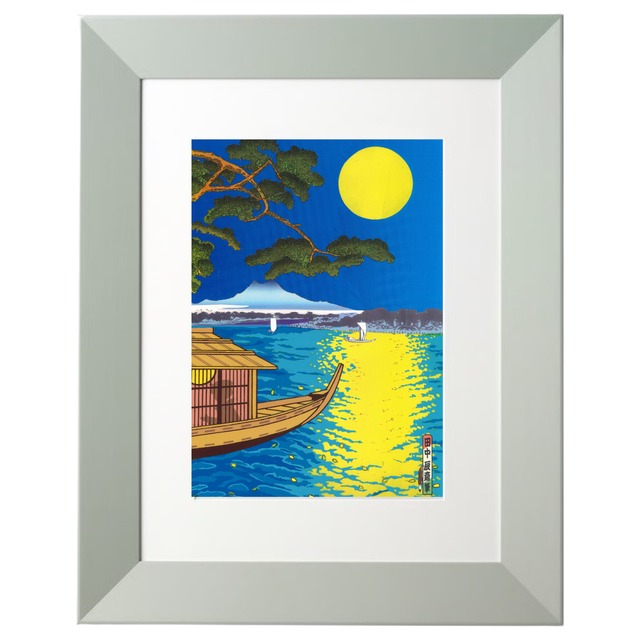
田中辰斎画:首尾の松(M)(月刊浅草表紙絵) Illustration by Shinsai Tanaka : Shubi no Matsu (Cover art for *Monthly Asakusa*) Mサイズ:500×400×30mm [Shubi no Matsu ] The word *shubi* refers to the course of events or the outcome of a situation; here, it carries a double meaning, also alluding to the romantic "rendezvous" between a man and a woman.Heading slightly north after exiting the Asakusa-gomon Gate, one would find the Shogunate’s rice warehouses—known as the Asakusa Okura—on the right.In this vicinity, the waters of the Sumida River were known as the Asakusa River.Beyond the wharves of the No. 4 and No. 5 unloading canals, the boughs of a pine tree drooped gracefully toward the river's surface.Boats rowed by two oarsmen (*nichoro-bune*) would travel upstream from Yanagibashi toward the Yoshiwara pleasure district, while slender *choki-bune* boats would come downstream from the Sanya-bori Canal."How did it go today?"—men would exchange such words regarding their escapades in Yoshiwara in this area, and eventually, the tree came to be known as *Shubi no Matsu* (The "Outcome" Pine) (Kuramae 1-37).The original tree dated back to the An'ei era (1772); the current one is the seventh generation.Once the rice unloading was finished and the crowds had dispersed, couples would moor their boats beneath the moonlit pine to share a secret tryst.It seems that, in their case too, the "outcome" was excellent… 『首尾』とは物事のなりゆき。都合して、男女が会うことを兼ねている。 浅草御門を出て少し北に向かうと、右手に幕府の米蔵<<浅草御蔵>>があった。 隅田の流れ、この辺りでは浅草川と荷揚げの四番堀と五番堀の埠頭の先に、川面に向かって松が枝を垂れている。 柳橋から吉原通いの二挺櫓舟(にちょろぶね)が遡り、山谷堀から猪牙舟(ちょきぶね)『今日の首尾はどうでい?』吉原遊びの言葉を交わすのがこの辺り、いつしか<<首尾の松>>と呼ばれるようになった(蔵前一・三七)。 初代の松は安永の頃で(1772)現在のは七代目。米の荷揚げが終わり人影が絶えれば、月明かりの松の下に男女が障子船を停めて忍び逢い。こちらも、首尾は上々のようで・・・・・・
-
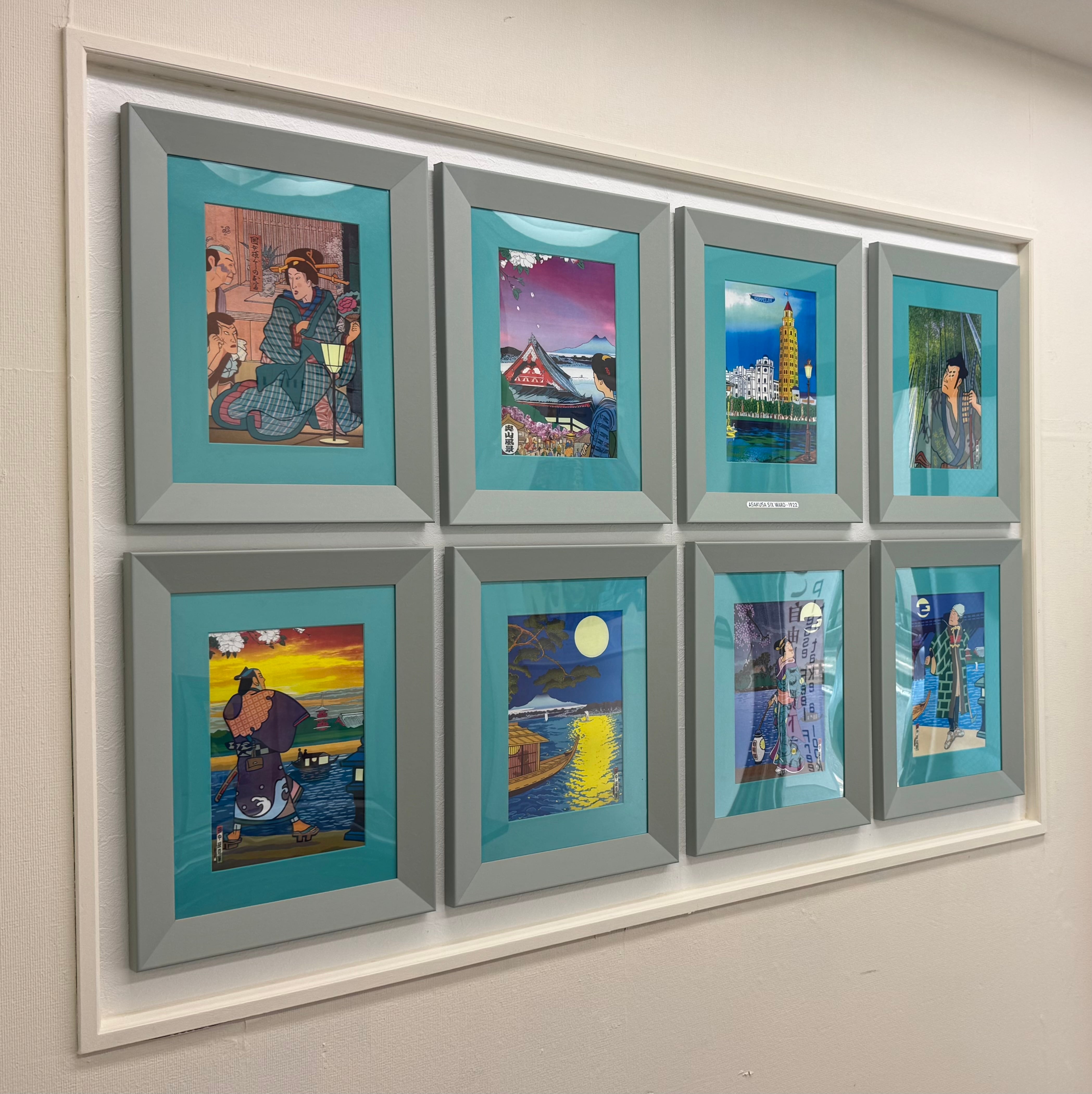
六区興業街(S)
¥10,000
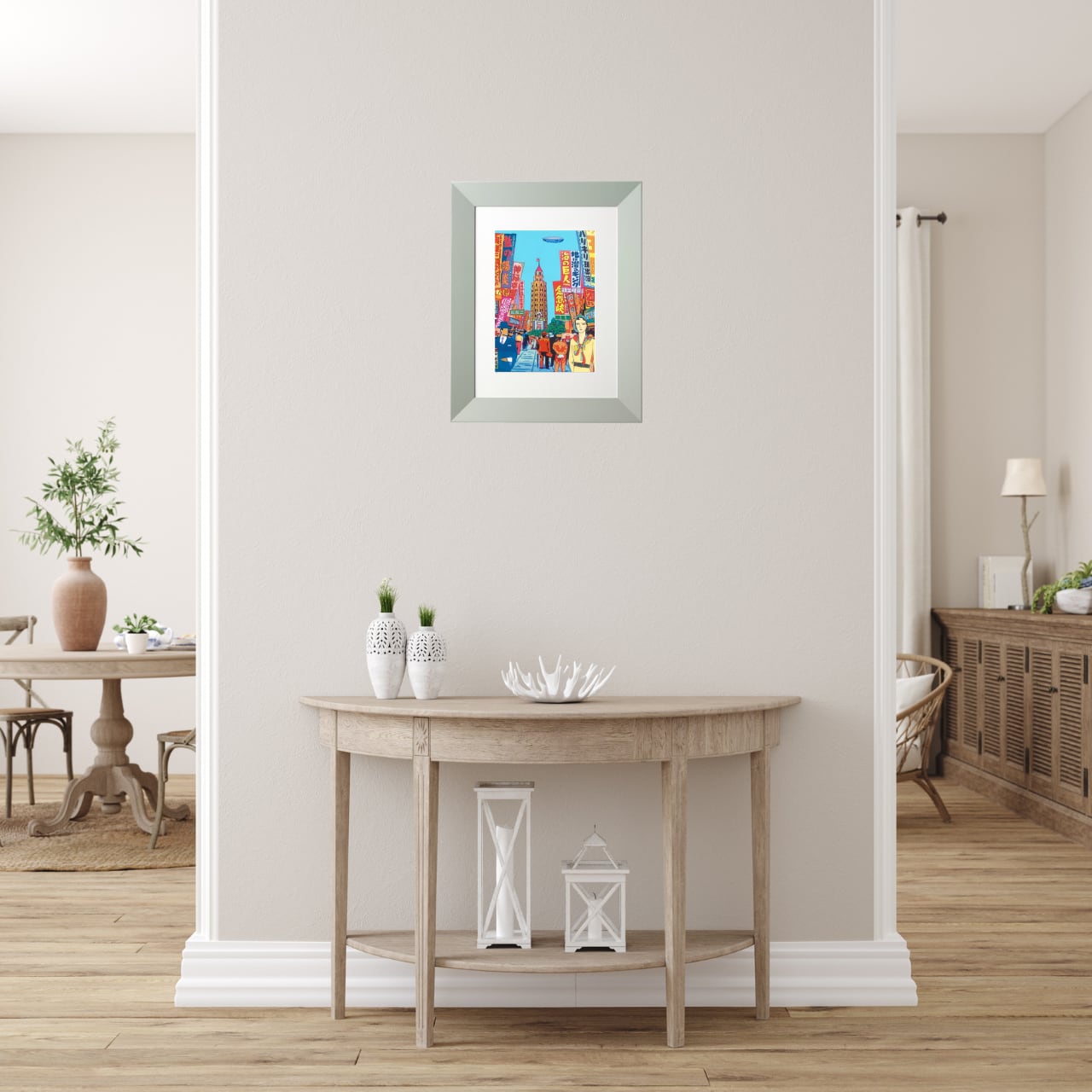
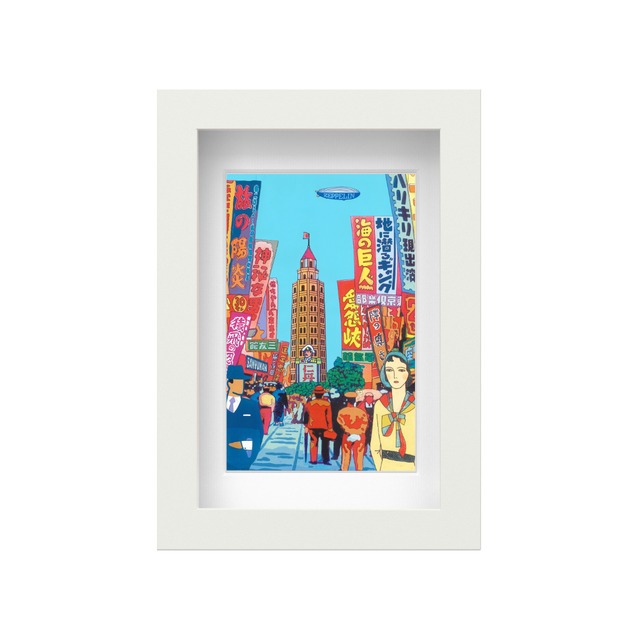
田中辰斎画:六区興業街(S)(月刊浅草表紙絵) Illustration by Shinsai Tanaka : Rokku Entertainment District (Cover art for *Monthly Asakusa*) Sサイズ:167×117×32mm 「ASAKUSA SIX WARD 1922」 The year was 1922 (Taisho 11), in the Asakusa Rokku entertainment district prior to the Great Kanto Earthquake. It was a bustling pleasure quarter featuring thirty-six theaters with fluttering banners and the towering Ryounkaku Pavilion. Overhead, the German airship *Zeppelin*... 西暦1922年大正11年、 関東大震災前の浅草六区興行街。 凌雲閣が聳え、幟はためく劇場36館の歓楽街でした。上空には飛行船ツェッペリン号(ドイツ)が...
-
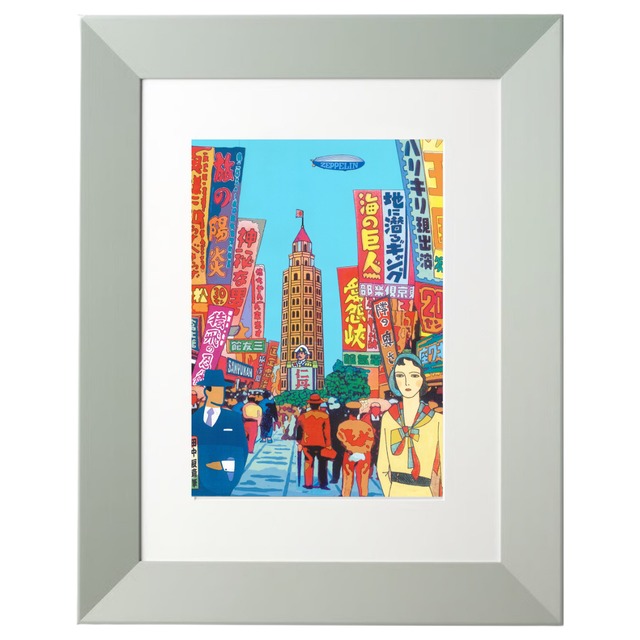
六区興業街(M)
¥30,000
田中辰斎画:六区興業街(M)(月刊浅草表紙絵) Illustration by Shinsai Tanaka : Rokku Entertainment District (Cover art for *Monthly Asakusa*) Mサイズ:500×400×30mm 「ASAKUSA SIX WARD 1922」 The year was 1922 (Taisho 11), in the Asakusa Rokku entertainment district prior to the Great Kanto Earthquake. It was a bustling pleasure quarter featuring thirty-six theaters with fluttering banners and the towering Ryounkaku Pavilion. Overhead, the German airship *Zeppelin*... 西暦1922年大正11年、 関東大震災前の浅草六区興行街。 凌雲閣が聳え、幟はためく劇場36館の歓楽街でした。上空には飛行船ツェッペリン号(ドイツ)が...
-
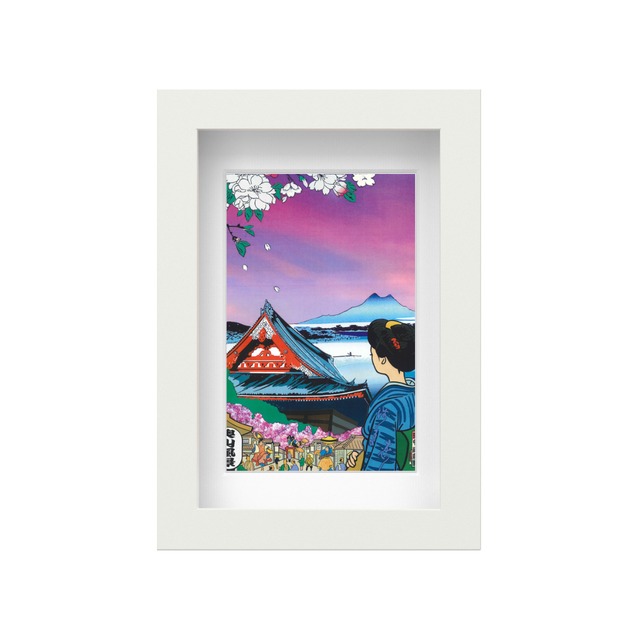
浅草寺・奥山(S)
¥10,000
田中辰斎画:浅草寺奥山(S)(月刊浅草表紙絵) Illustration by Shinsai Tanaka : Senso-ji okuyama (Cover art for *Monthly Asakusa*) Sサイズ:167×117×32mm [Senso-ji Okuyama] The Okuyama area of Senso-ji Temple was a quintessential entertainment district of Edo. It spanned a vast area, stretching from just beyond the present-day Kototoi-dori Avenue to the vicinity of Umamichi; a small stream flowed past the teahouses and the open-air stalls of toothpick sellers.Spectators were captivated by a wide array of performances. Theaters staging children's Kabuki, *Taiheiki* storytelling, acrobatics, and *Joruri* (puppet theater) drew large crowds.The district also boasted a lineup of brilliant street performers: Matsui Gensui’s top-spinning—a virtuoso act performed before the Shogun—as well as Nagai Hyosuke’s *iai-nuki* (quick-draw swordsmanship), and the acrobatics and magic tricks of Keshi-no-Suke.In his youth, Ota Nanpo would travel from Ushigome to visit Okuyama, where he composed the poem "Okuyama Fukei" (Scenery of Okuyama).Amidst the joy and frenzy of Okuyama, crowds of people surged like clouds. 浅草寺の奥山は、江戸の代表的な盛り場であった。敷地も広く現在の言問通り外側から馬道近くに及び、茶屋や楊弓場、楊枝売りの床見世の外側には細流が流れていた。演目の数々には見物客は熱狂する。子供狂言(歌舞伎)・太平記読み・軽業・浄瑠璃などの芝居小屋が人気を集めた。また歯磨き売りの大道芸として、松井源水のこま廻しは将軍高覧の名人芸であり、他にも長井兵助の居合抜き・芥子の助の曲芸・手品といずれもすばらしい芸人ぞろいであった。 若き日の大田南畝は牛込からやってきて奥山に遊び、《奥山風景》を詠んでいる。見世物は、歓喜と狂喜奥山に、雲の如きに人々に湧く。
-
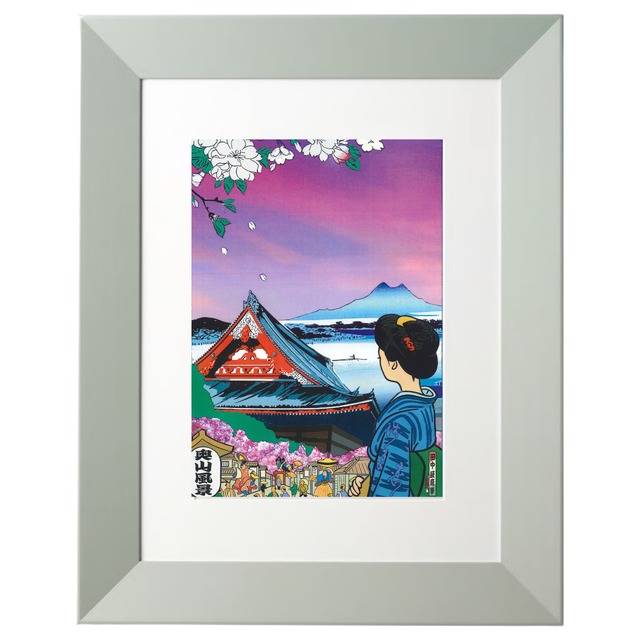
浅草寺・奥山(M)
¥30,000
田中辰斎画:浅草寺奥山(M)(月刊浅草表紙絵) Illustration by Shinsai Tanaka : Senso-ji okuyama (Cover art for *Monthly Asakusa*) Mサイズ500×400×30mm [Senso-ji Okuyama] The Okuyama area of Senso-ji Temple was a quintessential entertainment district of Edo. It spanned a vast area, stretching from just beyond the present-day Kototoi-dori Avenue to the vicinity of Umamichi; a small stream flowed past the teahouses and the open-air stalls of toothpick sellers.Spectators were captivated by a wide array of performances. Theaters staging children's Kabuki, *Taiheiki* storytelling, acrobatics, and *Joruri* (puppet theater) drew large crowds.The district also boasted a lineup of brilliant street performers: Matsui Gensui’s top-spinning—a virtuoso act performed before the Shogun—as well as Nagai Hyosuke’s *iai-nuki* (quick-draw swordsmanship), and the acrobatics and magic tricks of Keshi-no-Suke.In his youth, Ota Nanpo would travel from Ushigome to visit Okuyama, where he composed the poem "Okuyama Fukei" (Scenery of Okuyama).Amidst the joy and frenzy of Okuyama, crowds of people surged like clouds. 浅草寺の奥山は、江戸の代表的な盛り場であった。敷地も広く現在の言問通り外側から馬道近くに及び、茶屋や楊弓場、楊枝売りの床見世の外側には細流が流れていた。演目の数々には見物客は熱狂する。子供狂言(歌舞伎)・太平記読み・軽業・浄瑠璃などの芝居小屋が人気を集めた。また歯磨き売りの大道芸として、松井源水のこま廻しは将軍高覧の名人芸であり、他にも長井兵助の居合抜き・芥子の助の曲芸・手品といずれもすばらしい芸人ぞろいであった。 若き日の大田南畝は牛込からやってきて奥山に遊び、《奥山風景》を詠んでいる。見世物は、歓喜と狂喜奥山に、雲の如きに人々に湧く。
-
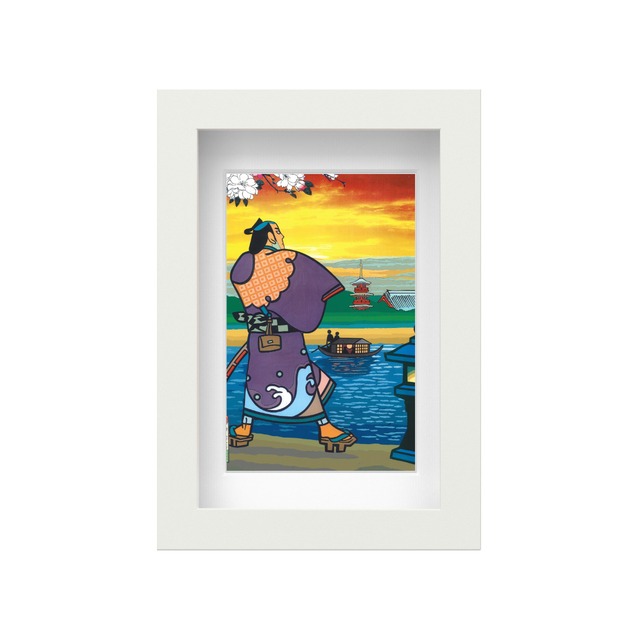
幡隋院長兵衛(S)
¥10,000
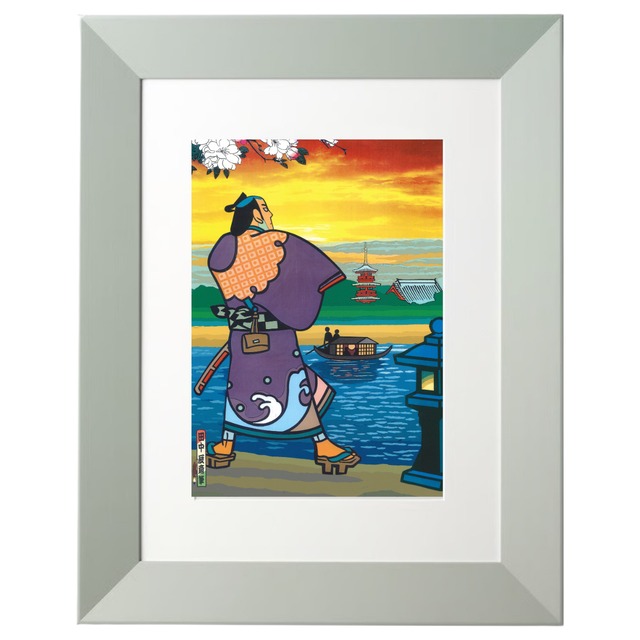
田中辰斎画:幡隋院長兵衛(S)(月刊浅草表紙絵) Illustration by Shinsai Tanaka : Banzuiin Chōbei (Cover art for *Monthly Asakusa*) Sサイズ:167×117×32mm [ Banzuiin Chōbei] Banzuiin Chōbei was a resident of Hanakawado in Asakusa (near the Tobu railway overpass) and a chivalrous figure known for crushing the strong and aiding the weak. He lived by gambling and brawling, bound by the *otokodate* (chivalrous brotherhood) code that united bosses and their followers. His persona resonated with the common people, leading playwrights like Kawatake Mokuami to adapt his story for Kabuki and Jōruri theater. In 1650 (the third year of the Keian era), at the age of 36, he was killed in a treacherous ambush orchestrated by Mizuno Jūrōzaemon, a leader of the *hatamoto-yakko* (shogunal retainer gangs). Chōbei, a *machi-yakko* (townsman gang leader), served as a guardian figure who would step in from the shadows to offer aid. Gazing at Asakusa Hanakawado from across the river, one sees the very embodiment of *iki*—the stylish, gallant spirit of the *otokodate*. From the workshop on Kappabashi-hondori Street, one can look past the inner alleyways to see the famous temple Genkō-ji.Here lies the grave of Banzuiin Chōbei—an early Edo-period chivalrous hero who stands as a unique figure alongside the likes of Inō Tadataka (creator of Japan's first precision map based on actual surveys), the astronomer Takahashi Yoshitoki, and the literati painter Tani Bunchō.Visitors continue to come here in a steady stream. 幡隨院長兵衛は浅草花川戸の住人(東武ガード付近)強きをくじき弱きを助ける任侠の徒。 多くは賭博喧嘩渡世を事とし、親分子分の《おとこだて》で結ばれていた。その姿が庶民に受け、河竹黙阿弥らにより歌舞伎・浄瑠璃に仕立てられる。慶安3年(1650)36歳のとき、旗本奴水野十郎左衛門のだまし討ちにより殺された。町奴長兵衛は、かげに控えて助けてくれる後ろ盾。川向うから浅草花川戸を眺めて、これぞ粋なる男伊達。かっぱ橋本通り、工房から眺める奥露地に名刹「源空寺」が見える。我が国初の実測精密地図の伊能忠敬・高橋至時・文人画家の谷文晁と共に並ぶユニークな御人は江戸初期の侠客、幡隨院長兵衛の墓。訪れる人は後に絶たない。
-
幡随院長兵衛(M)
¥30,000
田中辰斎画:幡隋院長兵衛(M)(月刊浅草表紙絵) Illustration by Shinsai Tanaka : Banzuiin Chōbei (Cover art for *Monthly Asakusa*) Mサイズ:500×400×30mm [ Banzuiin Chōbei] Banzuiin Chōbei was a resident of Hanakawado in Asakusa (near the Tobu railway overpass) and a chivalrous figure known for crushing the strong and aiding the weak. He lived by gambling and brawling, bound by the *otokodate* (chivalrous brotherhood) code that united bosses and their followers. His persona resonated with the common people, leading playwrights like Kawatake Mokuami to adapt his story for Kabuki and Jōruri theater. In 1650 (the third year of the Keian era), at the age of 36, he was killed in a treacherous ambush orchestrated by Mizuno Jūrōzaemon, a leader of the *hatamoto-yakko* (shogunal retainer gangs). Chōbei, a *machi-yakko* (townsman gang leader), served as a guardian figure who would step in from the shadows to offer aid. Gazing at Asakusa Hanakawado from across the river, one sees the very embodiment of *iki*—the stylish, gallant spirit of the *otokodate*. From the workshop on Kappabashi-hondori Street, one can look past the inner alleyways to see the famous temple Genkō-ji.Here lies the grave of Banzuiin Chōbei—an early Edo-period chivalrous hero who stands as a unique figure alongside the likes of Inō Tadataka (creator of Japan's first precision map based on actual surveys), the astronomer Takahashi Yoshitoki, and the literati painter Tani Bunchō.Visitors continue to come here in a steady stream. 幡隨院長兵衛は浅草花川戸の住人(東武ガード付近)強きをくじき弱きを助ける任侠の徒。 多くは賭博喧嘩渡世を事とし、親分子分の《おとこだて》で結ばれていた。その姿が庶民に受け、河竹黙阿弥らにより歌舞伎・浄瑠璃に仕立てられる。慶安3年(1650)36歳のとき、旗本奴水野十郎左衛門のだまし討ちにより殺された。町奴長兵衛は、かげに控えて助けてくれる後ろ盾。川向うから浅草花川戸を眺めて、これぞ粋なる男伊達。かっぱ橋本通り、工房から眺める奥露地に名刹「源空寺」が見える。我が国初の実測精密地図の伊能忠敬・高橋至時・文人画家の谷文晁と共に並ぶユニークな御人は江戸初期の侠客、幡隨院長兵衛の墓。訪れる人は後に絶たない
-
お化け煙突(S)
¥10,000
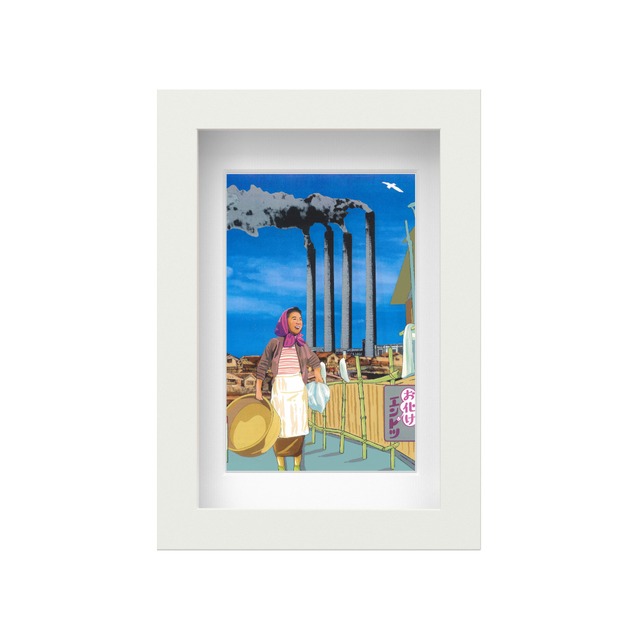
田中辰斎画:お化け煙突(S)(月刊浅草表紙絵) Illustration by Shinsai Tanaka : The Ghost Chimneys (Cover art for *Monthly Asakusa*) Sサイズ:167×117×32mm [The Ghost Chimneys] It was built in 1926 (Taisho 15) by Tokyo Electric Light—the predecessor to Tokyo Electric Power—as the smokestacks for the Senju Thermal Power Station.At 83 meters tall, they were the tallest in Japan at the time. Fueled by coal and boasting an output of 75,000 kilowatts, they were workhorses that supplied one-fifth of Tokyo's electricity needs."If you had just one photo of those four smokestacks, the conversation would flow for half a day," local old-timers say, still happily reminiscing about them. Their peculiar appearance stemmed from their "squashed" diamond-like arrangement; depending on the viewing angle, the four stacks would appear to merge into three, two, or even just a single stack.To make matters stranger, the days they emitted smoke were unpredictable—sometimes billowing clouds would suddenly appear out of nowhere.People found the sight unsettling—likening it to a crematorium—and the structures came to be known as the "Ghost Smokestacks." 大正15年、東京電力の前身東京電燈が『千住火力発電所煙突』として建設した。83メートルは当時日本一。石炭を燃料として出力7万5千キロワット・東京市民の電気消費量の1/5をまかなう働き者だった。「4本煙突の写真が一枚あると、半日は話が続いたもんだ。」地元のオヤジは今だに思い出話に花が咲く。奇怪な姿のもとは「下一自(ひしゃ)げた四本」この菱形並びの按配がクセ者で、見る角度により4本が3、2、しまいには1本になってしまう。おまけに煙の出る稼働日がまちまちで、ある日突然にモクモク。まるで火葬場のようだと気味悪がり、『お化け煙突』と呼ばれるようになった。
-
お化け煙突(M)
¥30,000
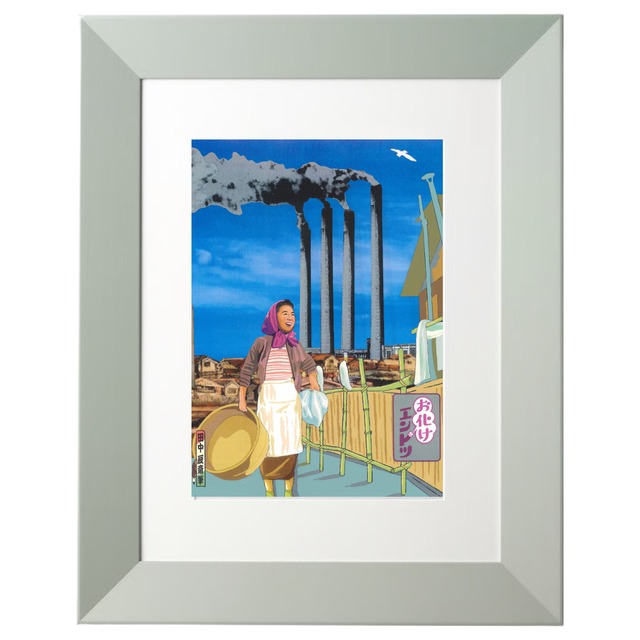
田中辰斎画:お化け煙突(M)(月刊浅草表紙絵) Illustration by Shinsai Tanaka : The Ghost Chimneys (Cover art for *Monthly Asakusa*) Mサイズ:500×400×30mm [The Ghost Chimneys] It was built in 1926 (Taisho 15) by Tokyo Electric Light—the predecessor to Tokyo Electric Power—as the smokestacks for the Senju Thermal Power Station.At 83 meters tall, they were the tallest in Japan at the time. Fueled by coal and boasting an output of 75,000 kilowatts, they were workhorses that supplied one-fifth of Tokyo's electricity needs."If you had just one photo of those four smokestacks, the conversation would flow for half a day," local old-timers say, still happily reminiscing about them. Their peculiar appearance stemmed from their "squashed" diamond-like arrangement; depending on the viewing angle, the four stacks would appear to merge into three, two, or even just a single stack.To make matters stranger, the days they emitted smoke were unpredictable—sometimes billowing clouds would suddenly appear out of nowhere.People found the sight unsettling—likening it to a crematorium—and the structures came to be known as the "Ghost Smokestacks." 大正15年、東京電力の前身東京電燈が『千住火力発電所煙突』として建設した。83メートルは当時日本一。石炭を燃料として出力7万5千キロワット・東京市民の電気消費量の1/5をまかなう働き者だった。「4本煙突の写真が一枚あると、半日は話が続いたもんだ。」地元のオヤジは今だに思い出話に花が咲く。奇怪な姿のもとは「下一自(ひしゃ)げた四本」この菱形並びの按配がクセ者で、見る角度により4本が3、2、しまいには1本になってしまう。おまけに煙の出る稼働日がまちまちで、ある日突然にモクモク。まるで火葬場のようだと気味悪がり、『お化け煙突』と呼ばれるようになった。
-
お冨・与三郎(S)
¥10,000
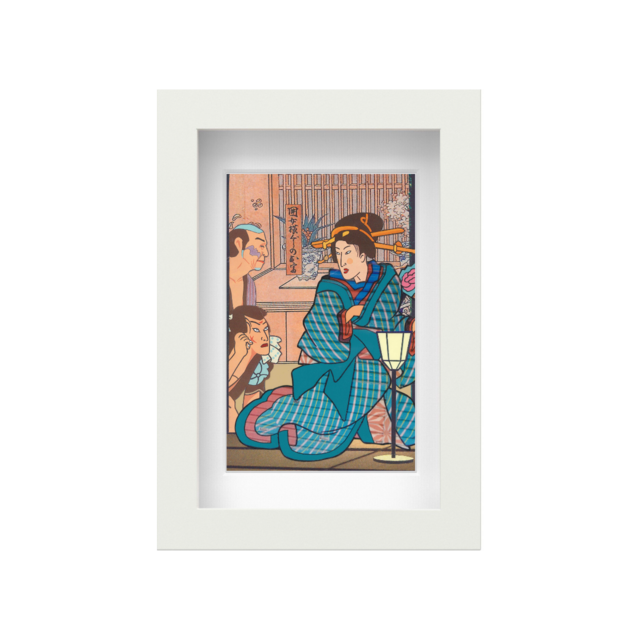
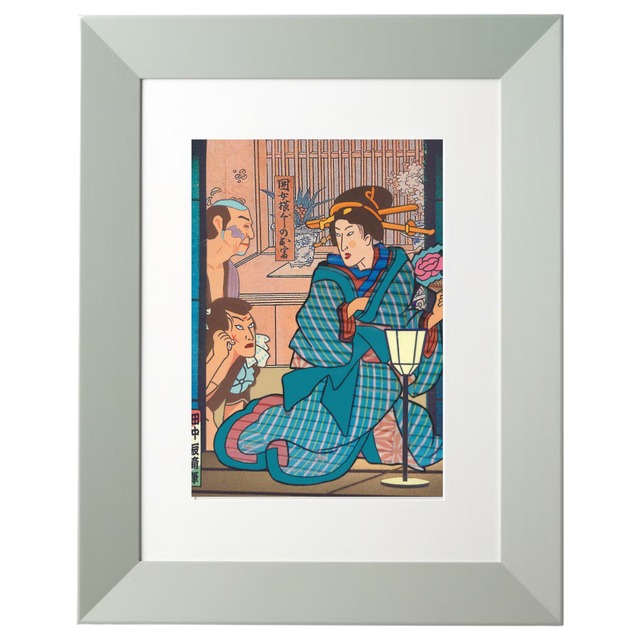
田中辰斎画:お冨・与三郎(S)(月刊浅草表紙絵) Illustration by Shinsai Tanaka : Otomi & Yosaburo (Cover art for *Monthly Asakusa*) Sサイズ:167×117×32mm [Otomi & Yosaburo] The Kabuki title *Yowa Nasake Ukina no Yokogushi* might be hard to decipher, but the moment you hear the line "A stylish black fence, a pine tree peeking over..." you immediately think, "Ah, that's Haruo Kasuga's 'Otomi-san'." Yet, the story becomes instantly compelling when you learn it is based on a truly dramatic real-life incident."A pitiful love affair turned tragic; the lifeline of our bond was severed... Three years have passed since drifting here from Kisarazu. 'Hey, Otomi'—it’s been a long time..."A reunion after three years. Otomi is now a kept woman,while Yosaburō has become a rough-and-tumble thug.Otomi is a spirited, tough-talking woman—capable of brushing off even the extortion attempts of the likes of Kōmori-yasu—but she is utterly stunned by the sudden reappearance of Yosaburō, whom she had believed to be dead... 『与話情浮名横櫛』歌舞伎の外題はわかり難いが、“粋な黒塀見越しの松に♪〜”とくれば、「あゝ、春日八郎のお富さん」。しかし、「現実に起きた壮絶な事件が元になっている」とあれば俄然興味も湧いてくる。しがねぇ恋の情けが仇、命の綱がきれたのを木更津から流れて三年越し “やぁお富” 久しぶりだなぁ・・・・・・ 三年ぶりの再会。お富は囲われ女、与三郎はごろつきになっていた。蝙蝠安の強請などあしらえるくらい気の強い伝法なお富だが、死んだと思っていた与三郎の突然の出現には驚くばかり・・・・・・
-
お冨・与三郎(M)
¥30,000
田中辰斎画:お冨・与三郎(M)(月刊浅草表紙絵) Illustration by Shinsai Tanaka : Otomi & Yosaburo (Cover art for *Monthly Asakusa*) Mサイズ:500×400×30mm [Otomi & Yosaburo] The Kabuki title *Yowa Nasake Ukina no Yokogushi* might be hard to decipher, but the moment you hear the line "A stylish black fence, a pine tree peeking over..." you immediately think, "Ah, that's Haruo Kasuga's 'Otomi-san'." Yet, the story becomes instantly compelling when you learn it is based on a truly dramatic real-life incident."A pitiful love affair turned tragic; the lifeline of our bond was severed... Three years have passed since drifting here from Kisarazu. 'Hey, Otomi'—it’s been a long time..."A reunion after three years. Otomi is now a kept woman,while Yosaburō has become a rough-and-tumble thug.Otomi is a spirited, tough-talking woman—capable of brushing off even the extortion attempts of the likes of Kōmori-yasu—but she is utterly stunned by the sudden reappearance of Yosaburō, whom she had believed to be dead... 『与話情浮名横櫛』歌舞伎の外題はわかり難いが、“粋な黒塀見越しの松に♪〜”とくれば、「あゝ、春日八郎のお富さん」。しかし、「現実に起きた壮絶な事件が元になっている」とあれば俄然興味も湧いてくる。しがねぇ恋の情けが仇、命の綱がきれたのを木更津から流れて三年越し “やぁお富” 久しぶりだなぁ・・・・・・ 三年ぶりの再会。お富は囲われ女、与三郎はごろつきになっていた。蝙蝠安の強請などあしらえるくらい気の強い伝法なお富だが、死んだと思っていた与三郎の突然の出現には驚くばかり・・・・・・
-
隅田川月夜(S)
¥10,000
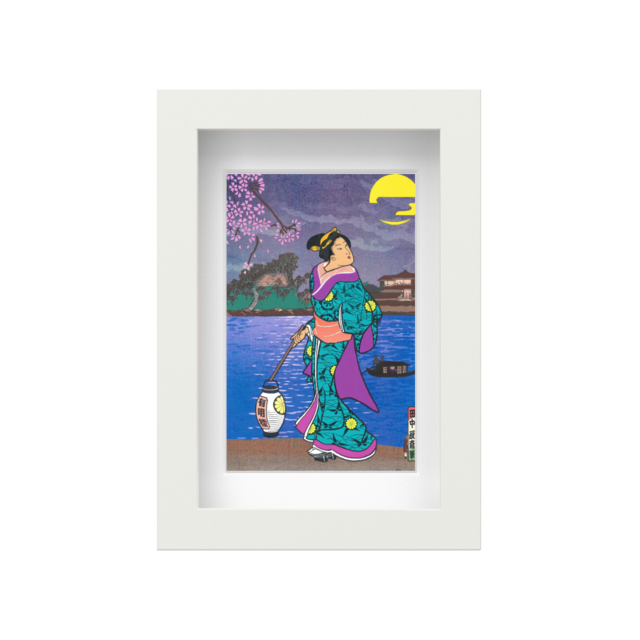
田中辰斎画:隅田川月夜(S) (月刊浅草表紙絵) Illustration by Shinsai Tanaka : Moonlit Night on the Sumida River (Cover art for *Monthly Asakusa*) Sサイズ:167×117×32mm [Moonlit Night on the Sumida River] The cherry-tree-lined embankment at Mukojima. A woman walks leisurely, as if savoring the moonlight.She is Okiku—a geisha well-known to the artist Ando Hiroshige and a figure depicted in his work, *Night View of Matsuchiyama and Sanyabori*.She would later gain renown as the proprietress of the Ariake-ro, an establishment on the opposite bank.The poise she cultivated as a geisha was exceptional; her attentiveness and her witty, playful remarks could lay bare a man's innermost feelings. She so impressed Narushima Ryuhoku—a man who held a key post as a shogunate official before the Meiji Restoration and later became a renowned poet of Chinese verse, an essayist, and the president of the *Choya Shimbun* newspaper—that he declared, "Her chivalrous spirit and brilliance are extraordinary; I have never heard of a woman who surpasses her." What truly astonished the proprietors of great merchant houses, however, was her seemingly innate business acumen.The Ariake-ro would go on to become a social hub for the upper class. 向島の桜堤。月明かりを楽しむかに女性が悠然と歩いている。この人は安藤広重描く、「真乳山山谷堀夜景」に登場する広重馴染みの芸者「お菊」である。後に対岸「有明楼」の女将として名を馳せている。芸者として培った所作は並でなく、目くばり、気くばり、洒落や冗談の一句半句が男心を透かせ、幕臣として要職にありながら維新後は漢詩人・随筆家・やがては朝野新聞社長となる「成島柳北」をして「侠気才気は並外れて、女性として彼女の上を行く人を聞いたことがない。それ以上に大店や豪商が目を見張ったのが天性とも思える経営手腕だった。「有明楼」は上流階級の社交場になって行く。
-
隅田川月夜(M)
¥30,000
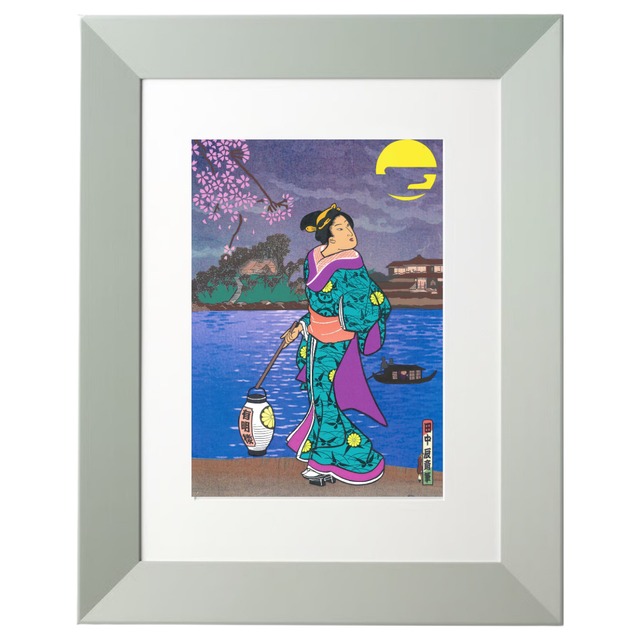
田中辰斎画:隅田川月夜(M) (月刊浅草表紙絵) Illustration by Shinsai Tanaka : Moonlit Night on the Sumida River (Cover art for *Monthly Asakusa*) Mサイズ:500×400×30mm [Moonlit Night on the Sumida River] The cherry-tree-lined embankment at Mukojima. A woman walks leisurely, as if savoring the moonlight.She is Okiku—a geisha well-known to the artist Ando Hiroshige and a figure depicted in his work, *Night View of Matsuchiyama and Sanyabori*.She would later gain renown as the proprietress of the Ariake-ro, an establishment on the opposite bank.The poise she cultivated as a geisha was exceptional; her attentiveness and her witty, playful remarks could lay bare a man's innermost feelings. She so impressed Narushima Ryuhoku—a man who held a key post as a shogunate official before the Meiji Restoration and later became a renowned poet of Chinese verse, an essayist, and the president of the *Choya Shimbun* newspaper—that he declared, "Her chivalrous spirit and brilliance are extraordinary; I have never heard of a woman who surpasses her." What truly astonished the proprietors of great merchant houses, however, was her seemingly innate business acumen.The Ariake-ro would go on to become a social hub for the upper class. 向島の桜堤。月明かりを楽しむかに女性が悠然と歩いている。この人は安藤広重描く、「真乳山山谷堀夜景」に登場する広重馴染みの芸者「お菊」である。後に対岸「有明楼」の女将として名を馳せている。芸者として培った所作は並でなく、目くばり、気くばり、洒落や冗談の一句半句が男心を透かせ、幕臣として要職にありながら維新後は漢詩人・随筆家・やがては朝野新聞社長となる「成島柳北」をして「侠気才気は並外れて、女性として彼女の上を行く人を聞いたことがない。それ以上に大店や豪商が目を見張ったのが天性とも思える経営手腕だった。「有明楼」は上流階級の社交場になって行く。
-
神谷バー(S)
¥10,000
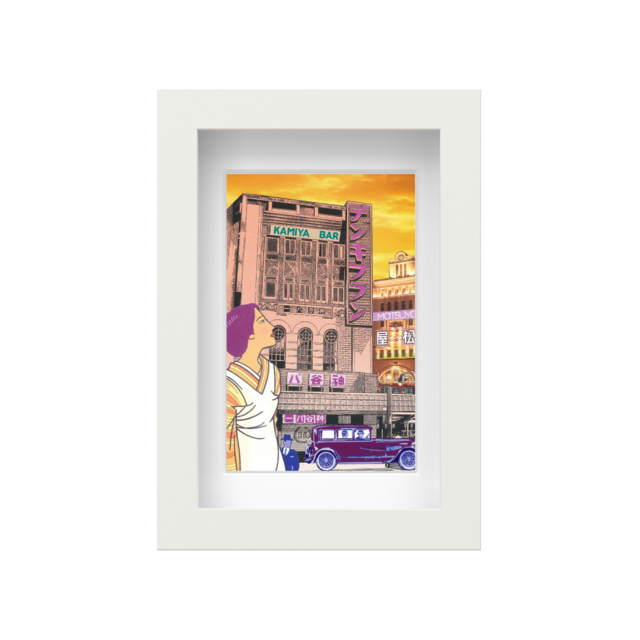
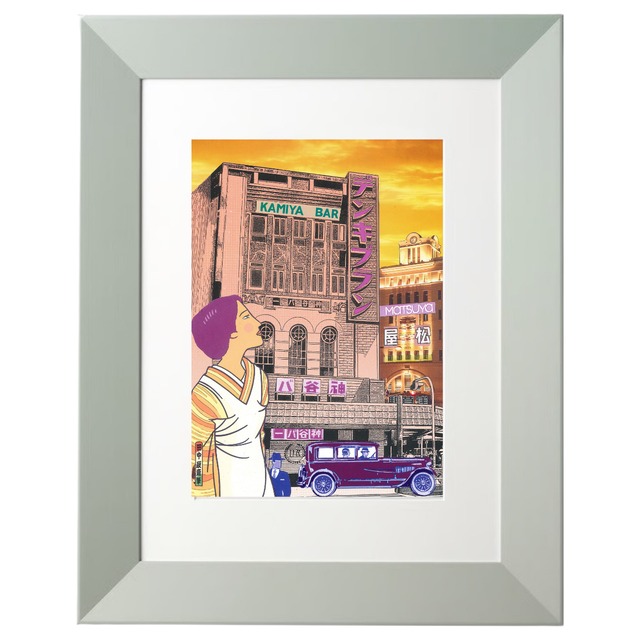
田中辰斎画:神谷バー(S)(月刊浅草表紙絵) Illustration by Shinsai Tanaka : Kamiya Bar (Cover art for *Monthly Asakusa*) Sサイズ:167×117×32mm [Kamiya Bar] One of my favorite street corners is Asakusa 1-1-1.At the Azumabashi-nishizume intersection—home to the iconic "Kamiya Bar"—the face of Asakusa is always beaming with smiles.Although I have a low tolerance for alcohol, the "Super Dry" beer here is a different story, given the proximity of the Asahi headquarters just across the bridge.You have the retro Kamiya Bar and its famous *Denki-Bran*; next door is the Matsuya Department Store; and across the Sumida River, the "Burning Heart" (Asahi Beer's flame monument) and the Tokyo Skytree stand tall.One can almost hear the sounds of the seasons: the Sanja Matsuri, the Sumida River Fireworks, and the Samba Carnival.Even today, people from all over the world are raising their voices in joy. 好きな街角のひとつに、浅草1丁目1番地1号がある。吾妻橋西詰交差点≪神谷バー≫浅草の顔は、“いつも笑顔” で溢れている。アルコール酵素の少ない私だが、橋を渡ればアサヒ本社とあれば鉄管ビール(スーパードライ)は別のもの。レトロな神谷バー デンキブランは店の横・松屋デパート、隅田川を挟んで「燃える心」(アサヒビール)にスカイツリー。四季を彩る三社祭・隅田川花火・サンバカーニバルの声が聞こえてくる。今日も、世界の人々が歓喜を上げている。
-
神谷バー(M)
¥30,000
田中辰斎画:神谷バー(M)(月刊浅草表紙絵) Illustration by Shinsai Tanaka : Kamiya Bar (Cover art for *Monthly Asakusa*) Mサイズ:500×400×30mm [Kamiya Bar] One of my favorite street corners is Asakusa 1-1-1.At the Azumabashi-nishizume intersection—home to the iconic "Kamiya Bar"—the face of Asakusa is always beaming with smiles.Although I have a low tolerance for alcohol, the "Super Dry" beer here is a different story, given the proximity of the Asahi headquarters just across the bridge.You have the retro Kamiya Bar and its famous *Denki-Bran*; next door is the Matsuya Department Store; and across the Sumida River, the "Burning Heart" (Asahi Beer's flame monument) and the Tokyo Skytree stand tall.One can almost hear the sounds of the seasons: the Sanja Matsuri, the Sumida River Fireworks, and the Samba Carnival.Even today, people from all over the world are raising their voices in joy. 好きな街角のひとつに、浅草1丁目1番地1号がある。吾妻橋西詰交差点≪神谷バー≫浅草の顔は、“いつも笑顔” で溢れている。アルコール酵素の少ない私だが、橋を渡ればアサヒ本社とあれば鉄管ビール(スーパードライ)は別のもの。レトロな神谷バー デンキブランは店の横・松屋デパート、隅田川を挟んで「燃える心」(アサヒビール)にスカイツリー。四季を彩る三社祭・隅田川花火・サンバカーニバルの声が聞こえてくる。今日も、世界の人々が歓喜を上げている。
-
常盤座ロッパ(S)
¥10,000
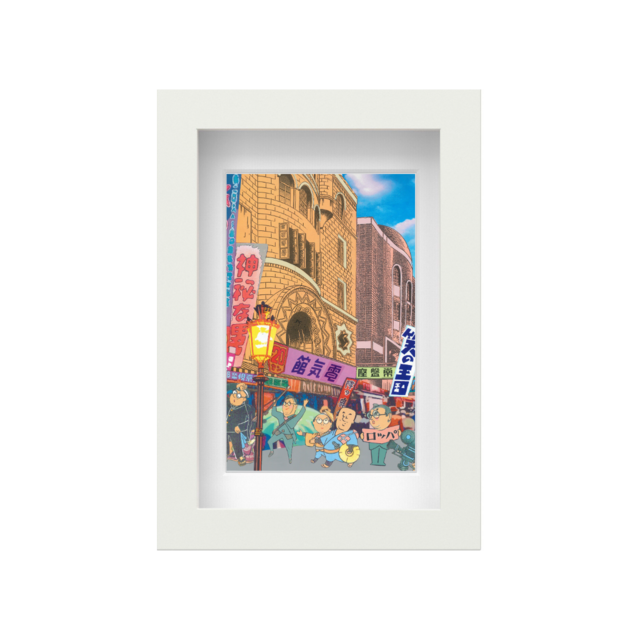
田中辰斎画:常盤座ロッパ(S)(月刊浅草表紙絵) Illustration by Shinsai Tanaka : Tokiwaza Roppa (Cover art for *Monthly Asakusa*) Sサイズ:167×117×32mm [Tokiwaza Roppa] In 1933, Roppa Furukawa launched the theater troupe "Warai no Oukoku" (Kingdom of Laughter) at the Tokiwaza theater, achieving tremendous success.Later, at the invitation of Ichizo Kobayashi of Toho, he began performing at theaters in Marunouchi; yet, the memories he cherished most were of the "Warai no Oukoku" days at the Tokiwaza—the very troupe he had founded.Those were the days in Asakusa Park's Rokku district, a time and place beloved by so many.He would meet with playwrights like Hachiro Sato and Kazuo Kikuta to plan performances. Even if the cost of the eight-sen coffee they sipped while gathering added up to fifteen yen a month, it was a small price to pay if it sparked a new idea.It was a golden era for Asakusa, before the ominous sound of marching military boots drew near. 昭和8年、古川ロッパは常盤座で劇団「笑いの王国」を立ち上げ、大いなる成功を収めた。その後東宝の小林一三に誘われて、丸の内の劇場に出るようになったが、最も懐かしいのは、立上げた常盤座の『笑いの王国』。多くの人ゝに愛された浅草公園六区の日ゝであった。サトウ・ハチローや菊田一夫ら脚本家を公演の打合せをする。集うハヤトの8銭のコーヒーが月に15円になろうとも、アイディアにつながれば安いもの。軍靴の足音を前にした良き時代の浅草であった。
-
常盤座ロッパ(M)
¥30,000
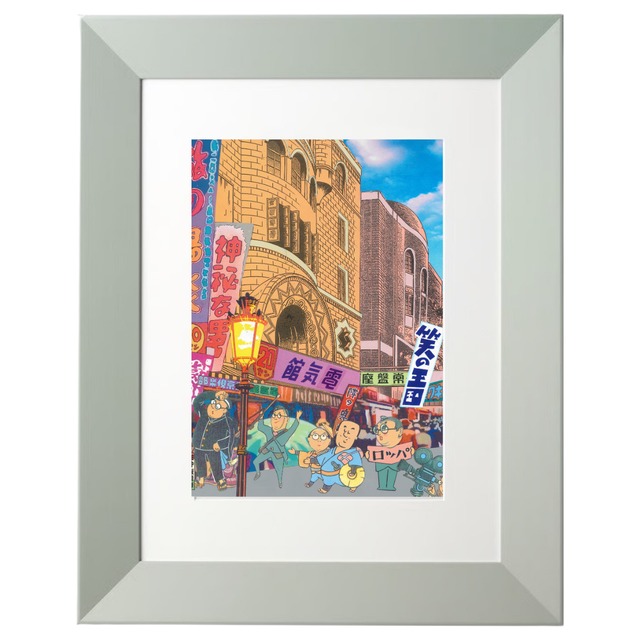
田中辰斎画:常盤座ロッパ(M)(月刊浅草表紙絵) Illustration by Shinsai Tanaka : Tokiwaza Roppa (Cover art for *Monthly Asakusa*) Mサイズ:500×400×30mm [Tokiwaza Roppa] In 1933, Roppa Furukawa launched the theater troupe "Warai no Oukoku" (Kingdom of Laughter) at the Tokiwaza theater, achieving tremendous success.Later, at the invitation of Ichizo Kobayashi of Toho, he began performing at theaters in Marunouchi; yet, the memories he cherished most were of the "Warai no Oukoku" days at the Tokiwaza—the very troupe he had founded.Those were the days in Asakusa Park's Rokku district, a time and place beloved by so many.He would meet with playwrights like Hachiro Sato and Kazuo Kikuta to plan performances. Even if the cost of the eight-sen coffee they sipped while gathering added up to fifteen yen a month, it was a small price to pay if it sparked a new idea.It was a golden era for Asakusa, before the ominous sound of marching military boots drew near. 昭和8年、古川ロッパは常盤座で劇団「笑いの王国」を立ち上げ、大いなる成功を収めた。その後東宝の小林一三に誘われて、丸の内の劇場に出るようになったが、最も懐かしいのは、立上げた常盤座の『笑いの王国』。多くの人ゝに愛された浅草公園六区の日ゝであった。サトウ・ハチローや菊田一夫ら脚本家を公演の打合せをする。集うハヤトの8銭のコーヒーが月に15円になろうとも、アイディアにつながれば安いもの。軍靴の足音を前にした良き時代の浅草であった。
-
法界坊(S)
¥10,000
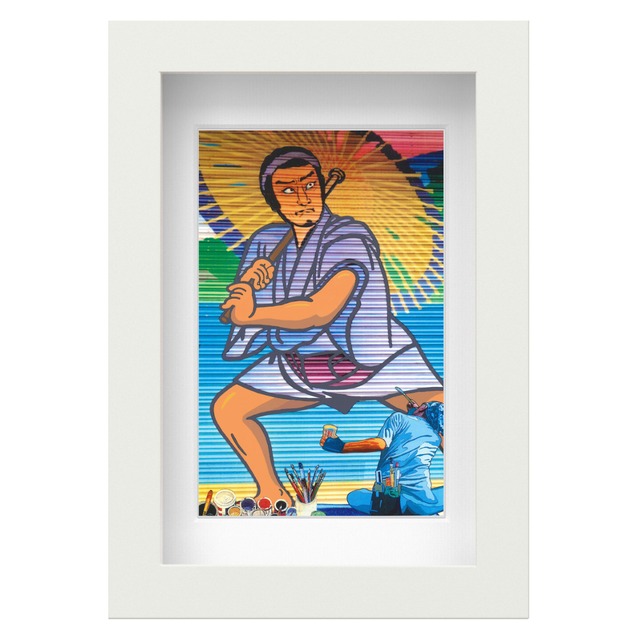
田中辰斎画:法界坊(S)(月刊浅草表紙絵) Illustration by Shinsai Tanaka : Houkaibo (Cover art for *Monthly Asakusa*) Sサイズ:167×117×32mm It was in 2015 that I painted the "Hokaibo" mural on the shop's rolling shutter. Shortly after its completion, an unexpected turn of events caused the painting to vanish—or so it seemed. A 24-hour 7-Eleven opened at the location, meaning the shutter was never pulled down.For five years, Hokaibo remained hidden away, unseen... Then came the COVID-19 pandemic. People disappeared from Asakusa. Unable to cope with the area turning into a ghost town, the 7-Eleven withdrew. That was when the elusive "Hokaibo" finally reappeared after years of absence. Today, it strikes a dramatic pose as a star attraction for the shop "Kaminari-Issa." 「法界坊」のシャッター絵を描いたのが2015年であった。 完成して間もなく思わぬ事態が発生して絵が消えた?24時間営業のセブンイレブンが開業してシャッターは降りてこない。法界坊は5年の間、開かずの間へ... 次なる展開はコロナ襲来。浅草から人が消えた。ゴーストタウンに音を上げセブンイレブンは撤退。すると幻の「法界坊」が数年ぶりに姿を現した。現在は雷一茶の目玉として見栄を切っている。
-
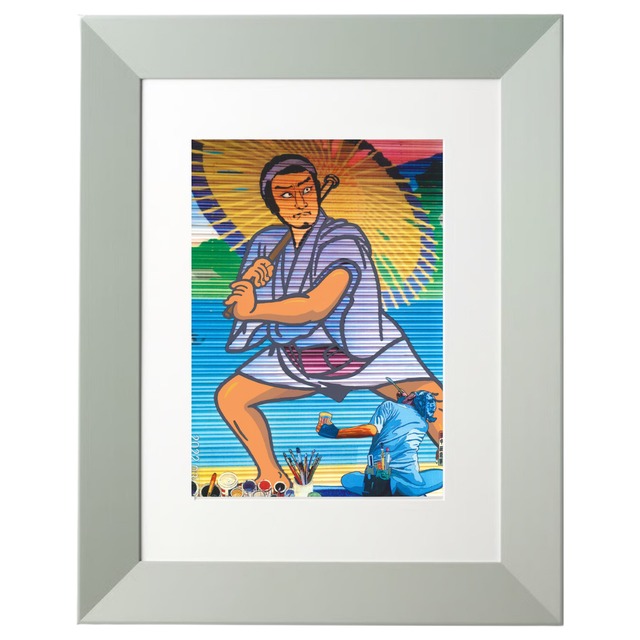
法界坊(M)
¥30,000
田中辰斎画:法界坊(M)(月刊浅草表紙絵) Illustration by Shinsai Tanaka : Houkaibo (Cover art for *Monthly Asakusa*) Mサイズ:500×400×30mm It was in 2015 that I painted the "Hokaibo" mural on the shop's rolling shutter. Shortly after its completion, an unexpected turn of events caused the painting to vanish—or so it seemed. A 24-hour 7-Eleven opened at the location, meaning the shutter was never pulled down.For five years, Hokaibo remained hidden away, unseen... Then came the COVID-19 pandemic. People disappeared from Asakusa. Unable to cope with the area turning into a ghost town, the 7-Eleven withdrew. That was when the elusive "Hokaibo" finally reappeared after years of absence. Today, it strikes a dramatic pose as a star attraction for the shop "Kaminari-Issa." 「法界坊」のシャッター絵を描いたのが2015年であった。 完成して間もなく思わぬ事態が発生して絵が消えた?24時間営業のセブンイレブンが開業してシャッターは降りてこない。法界坊は5年の間、開かずの間へ... 次なる展開はコロナ襲来。浅草から人が消えた。ゴーストタウンに音を上げセブンイレブンは撤退。すると幻の「法界坊」が数年ぶりに姿を現した。現在は雷一茶の目玉として見栄を切っている。